
Understanding Commodity Trading
Commodity Trading is the buying and selling of raw materials or primary agricultural products such as gold, crude oil, silver, natural gas, wheat, or cotton. Unlike the stock market, where shares of companies are traded, in commodity trading, the actual physical goods or their future contracts are traded. This form of trading has existed for centuries, evolving from physical markets to digital platforms.
In India, commodity trading plays a significant role in the economy, especially considering the country's large consumption and production base. It helps in price discovery and acts as a risk management tool for producers, traders, and investors. Before delving into the complexities of how to trade commodities, it is essential to understand what is commodity trading in practical terms.
What is Commodity Trading?
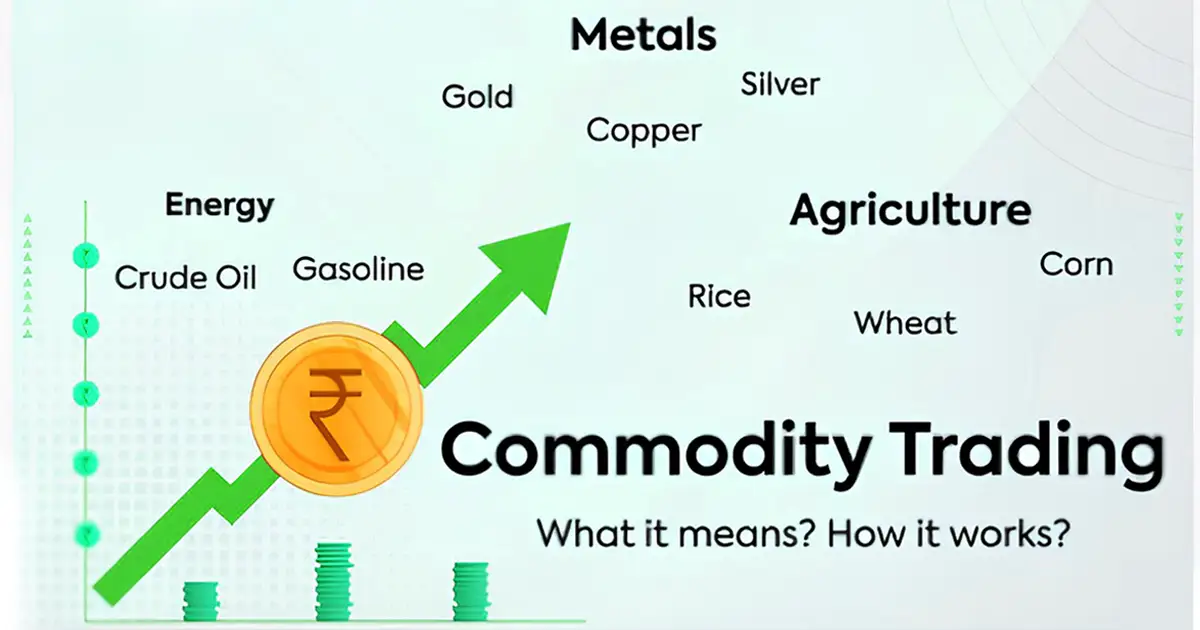
Commodity Trading involves two major types of commodities: hard commodities and soft commodities. Hard commodities are natural resources like metals and oil, while soft commodities are agricultural goods like coffee, sugar, and wheat. Traders can participate by buying or selling these commodities directly or through derivative instruments like futures and options.
The primary objective is to earn profits by speculating on the price movements. Some investors use commodity trading to hedge against inflation or diversify their portfolios. For example, during periods of currency depreciation, commodities like gold tend to gain value, making them attractive to investors.
In India, commodity trading is regulated and can be carried out through recognised exchanges. The market is vibrant and continues to expand due to increasing investor interest and improved digital infrastructure.
Commodity Trading Time in India
Commodity trading time in India varies based on the type of commodity and the exchange on which it is traded. Typically, trading is allowed from Monday to Friday. The timings are divided into two sessions: the morning session and the evening session.
For agricultural commodities, the trading usually happens from 9:00 AM to 5:00 PM. For non-agricultural commodities such as metals and energy products, the evening session can go on until 11:30 PM or even 11:55 PM, aligning with international commodity markets.
Understanding commodity trading time is essential for effective participation. Traders often prefer evening sessions as global cues and data releases significantly impact commodity prices during that time.
How to Trade Commodities?
To understand how to trade commodities, one must first grasp the basic mechanics of the market. Commodity trading can be done through spot markets or derivatives markets. In spot markets, the commodities are bought and sold for immediate delivery. However, most trading happens in the derivatives market, especially futures contracts.
A futures contract is an agreement to buy or sell a specific quantity of a commodity at a predetermined price on a specific future date. This allows traders to speculate on the price movement without holding the actual commodity. Margin trading is also common, where a small percentage of the total value is paid upfront.
Beginners must familiarise themselves with market trends, contract specifications, margin requirements, and the concept of leverage. Using risk management tools such as stop-loss and position sizing is vital to avoid substantial losses.
Commodity Trading for Beginners
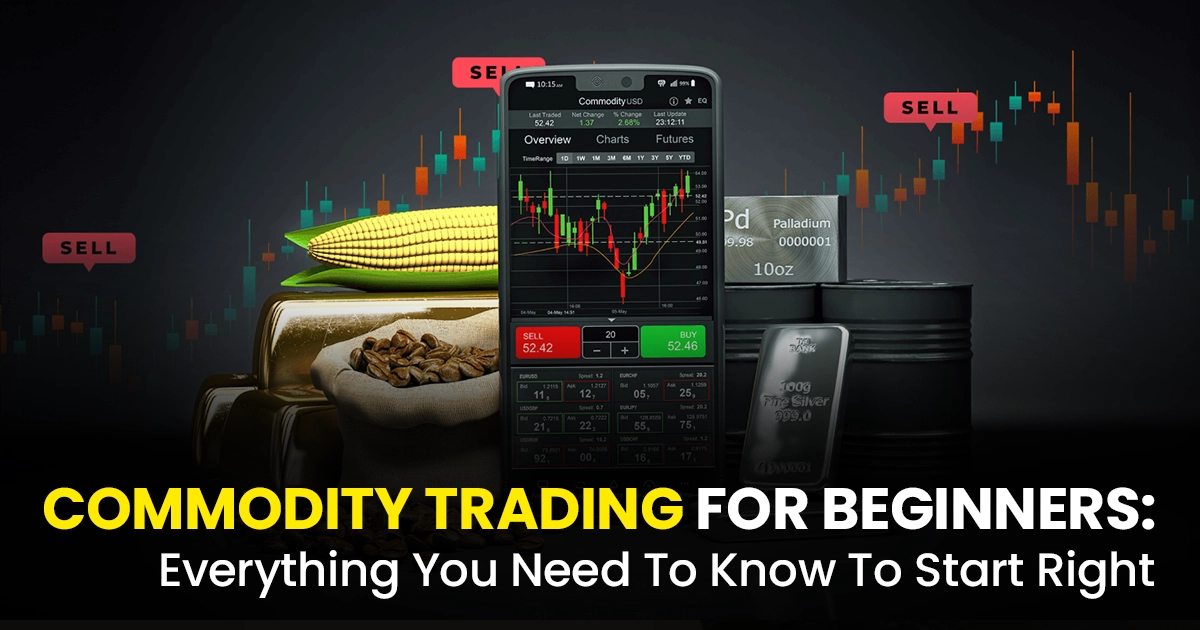
For those new to this field, commodity trading for beginners should start with a focus on education and market research. Understanding market trends, global factors influencing prices, and demand-supply mechanics are crucial.
It is advisable to start with one or two commodities rather than trying to trade multiple contracts. Commodity prices can be volatile, and it's essential to track news and reports that can affect pricing. Beginners should also spend time learning technical and fundamental analysis.
Paper trading or using a demo account is a good way to practice without risking real money. This builds confidence and helps develop a strategy before committing actual capital. Avoiding emotional decisions and focusing on long-term gains is the key to sustainability in commodity trading.
Types of Commodities Traded in India
The Indian commodity market offers a wide array of products that fall into various categories. Here’s an overview:
1. Agriculture-Based Commodities
These include wheat, chana (chickpeas), soybean, mustard seed, cotton, cardamom, turmeric, and more. These are seasonal commodities influenced by weather conditions, government policies, and global agricultural trends.
2. Metals
Metals such as gold, silver, aluminium, copper, nickel, and zinc are traded heavily in India. Gold and silver are among the most preferred, especially as a hedge during inflation.
3. Energy Commodities
Crude oil and natural gas dominate the energy commodities market. Their prices are influenced by global demand and supply, geopolitical tensions, and inventory data.
Key Exchanges for Commodity Trading in India
Though the names of the exchanges are not listed here, it is important to understand that commodity trading in India is done on regulated electronic platforms. These exchanges list various contracts for agricultural products, metals, and energy.
These platforms ensure price transparency, liquidity, and proper risk management systems. Participants can include hedgers (farmers, manufacturers), speculators, and arbitrageurs.
Factors That Influence Commodity Prices
Understanding the forces that drive commodity prices is essential for success in commodity trading. Here are the most influential factors:
Supply and Demand: A basic economic principle that dictates that when demand increases or supply decreases, prices go up, and vice versa.
Geopolitical Events: Tensions or conflicts in key commodity-producing regions can impact prices dramatically.
Economic Indicators: Data like GDP growth, inflation, interest rates, and employment rates indirectly affect commodity prices.
Currency Fluctuations: Commodities are often priced in USD globally, so fluctuations in the Indian Rupee can impact prices.
Weather Patterns: Particularly for agricultural commodities, the impact of monsoons and droughts can be substantial.
Commodity Trading vs Stock Trading
While both involve speculation and investment, there are stark differences between commodity trading and stock trading. Commodities are tangible goods, while stocks represent ownership in a company. The volatility in commodities is often higher, making it both riskier and potentially more rewarding.
Commodity trading is usually leveraged, meaning traders only need to invest a fraction of the contract value. This can magnify both gains and losses. Also, commodity markets are more influenced by global events, whereas stock markets tend to respond to corporate earnings and domestic factors.
Advantages of Commodity Trading
Engaging in commodity trading offers various benefits:
Portfolio Diversification: Commodities often behave differently from stocks and bonds, reducing overall portfolio risk.
Inflation Hedge: Commodities like gold can preserve value when inflation rises.
Leverage Opportunities: Allows traders to control large positions with a small margin.
High Liquidity: Major commodities have high trading volumes, ensuring easy entry and exit.
Challenges Faced by Beginners
While the prospects of high returns may seem tempting, beginners face several hurdles:
Market Volatility: Sudden price swings can lead to significant losses.
Leverage Risk: Leverage can wipe out capital quickly if not used properly.
Lack of Information: Unlike stocks, comprehensive research reports on commodities are less accessible.
Emotional Trading: Letting fear or greed dictate actions is a common mistake among new traders.
Tips for Successful Commodity Trading
While there’s no guaranteed success formula, here are some tested tips:
Set Realistic Goals: Don’t expect to double your capital overnight. Focus on consistency.
Follow Global Trends: International developments have a significant impact on prices.
Use Stop-Loss: This tool limits potential losses by exiting the trade at a pre-set level.
Stay Educated: Continuously learn from market reports, webinars, and financial news.
Avoid Overtrading: Stick to your strategy and avoid impulsive trades.
Legal and Regulatory Framework
Commodity trading in India operates under a strict regulatory framework to protect traders and ensure transparency. All transactions happen through authorised brokers and exchanges, ensuring safety and accountability.
Participants must complete a KYC process and understand the risks involved. The regulator sets daily price movement limits and position limits to prevent manipulation and excessive speculation.
Tax Implications in Commodity Trading
Profits earned through commodity trading are subject to taxation under Indian income tax laws. Short-term gains are added to the individual’s income and taxed as per the applicable slab. Losses can be carried forward to offset future gains.
Understanding these aspects is essential for maintaining compliance and planning tax liabilities effectively.
Final Thoughts on Commodity Trading
Commodity Trading offers vast opportunities for those willing to learn and take calculated risks. By understanding the commodity trading time in India, learning how to trade commodities, and educating oneself about the basics of commodity trading for beginners, one can navigate the market effectively.
With the right approach, tools, and mindset, commodity trading can serve as a powerful avenue for wealth creation and portfolio diversification. It’s not just about speculation—it’s also about understanding global trends, supply chains, and the economic indicators that shape our world.
As a final note, always begin with thorough research, start small, and continuously adapt to the ever-changing market landscape. With discipline, patience, and knowledge, success in commodity trading is achievable for everyone—from seasoned investors to absolute beginners.